Pepper Steak with Onion: Classic Flavor Combination Explained
Table of Contents
You’ve likely savored the classic flavor combination of pepper steak and onion in various dishes, but have you ever wondered what makes this pairing so timeless?
The union of tender steak, sweet onions, and crunchy bell peppers creates a harmonious balance of flavors and textures that has captivated palates for generations.
As you explore the world of pepper steak with onion, you’ll discover the rich history and versatility behind this beloved dish, from its origins to modern variations.
Key Takeaways
- Understand the historical context of pepper steak with onion.
- Learn various preparation methods for this classic dish.
- Discover modern twists and variations of pepper steak with onion.
- Explore the cultural significance of this flavor combination.
- Gain insights into the culinary techniques that make this dish a staple.
The Origins and History of Pepper Steak
Tracing the history of pepper steak reveals a complex narrative of culinary innovation and cultural fusion. This dish, known for its savory flavors and hearty ingredients, has become a staple in many cuisines around the world.
Cultural Roots of the Dish
Pepper steak’s origins are deeply rooted in Chinese cuisine, where a similar dish known as “qīng jiāo ròu sī” or “green pepper meat stir-fry” is popular. This Chinese dish typically consists of sliced beef, green peppers, and various seasonings, stir-fried together. The cultural exchange between China and the United States played a significant role in adapting this dish to American tastes.
The influence of Chinese immigration in the 19th century introduced pepper steak to the American culinary scene. Initially, it was served in Chinese restaurants, where it gained popularity for its bold flavors and quick preparation method.
Evolution of Pepper Steak in American Cuisine
As American cuisine evolved, so did pepper steak. It adapted to local tastes by incorporating different ingredients and cooking techniques. The dish became a staple in many American-Chinese restaurants, often served with steamed rice or noodles.
Some key adaptations include the use of various bell pepper colors and the addition of onions, which are now considered a classic combination. The evolution of pepper steak in American cuisine is a testament to the dynamic nature of culinary traditions.
- Incorporation of local ingredients
- Adaptation to American tastes
- Popularity in American-Chinese restaurants
Today, pepper steak remains a beloved dish, enjoyed for its rich flavors and the cultural heritage it represents.
What Makes Pepper Steak with Onion a Classic Combination
Understanding why pepper steak with onion is a classic combination requires delving into the culinary science behind it. You might have enjoyed this dish at a Chinese restaurant or cooked it at home, but the reasons behind its enduring popularity are rooted in the harmony of flavors and textures it offers.
The Flavor Chemistry Between Beef, Peppers, and Onions
The flavor chemistry between beef, peppers, and onions is a perfect example of how different ingredients can come together to create something greater than the sum of its parts. When you cook these ingredients together, the Maillard reaction occurs, a chemical reaction between amino acids and reducing sugars that gives browned food its distinctive flavor. This reaction enhances the umami taste, making the dish more savory and appealing.
The beef provides a rich, meaty flavor, while the peppers add a sweet and slightly smoky taste. Onions, when cooked, bring a depth of flavor and a hint of sweetness that complements the beef and peppers. This combination of flavors creates a harmonious taste experience that is both satisfying and delicious.
Textural Contrasts That Create a Balanced Dish
Apart from the flavor, the textural contrasts in pepper steak with onion play a crucial role in making it a balanced dish. The tender beef, the crunch of the peppers, and the caramelized onions all contribute to a dish that is pleasing to the palate. When you take a bite, the variety of textures keeps the experience interesting and engaging.
To achieve the perfect balance, it’s essential to cook each ingredient to the right level of doneness. The beef should be tender but not overcooked, the peppers should retain some crunch, and the onions should be soft and caramelized. This balance of textures, along with the harmonious flavors, is what makes pepper steak with onion a classic combination that you can enjoy time and again.
Essential Ingredients for Authentic Pepper Steak
Creating an authentic pepper steak requires careful selection of its core components. The dish is known for its simplicity, yet the quality of its ingredients directly impacts the final flavor and texture.
Selecting the Right Cut of Beef
The type of beef you choose is crucial for pepper steak. Popular cuts include flank steak, sirloin, and ribeye, each offering different textures and flavors.
Flank Steak vs. Sirloin vs. Ribeye
Flank steak is lean and has a robust flavor, making it ideal for those seeking a traditional pepper steak taste. Sirloin is tender and slightly fattier, while ribeye offers a richer, more indulgent experience.
Proper Meat Preparation Techniques
Regardless of the cut, slicing the beef against the grain and marinating it can significantly enhance the dish’s overall quality.
Choosing the Best Peppers and Onions
Peppers and onions are the other key ingredients. Bell peppers are commonly used due to their sweetness and crunch, while onions add a depth of flavor when sautéed properly.
Key Seasonings and Sauces
The flavor profile of pepper steak is further enhanced by seasonings and sauces like soy sauce, garlic, and ginger. These ingredients not only add taste but also contribute to the dish’s aromatic appeal.
By focusing on these essential ingredients, you can create a pepper steak that is both authentic and delicious.
Traditional Preparation Methods for Pepper Steak with Onion
The traditional preparation of pepper steak with onion involves several crucial steps that ensure a delicious outcome. Mastering these techniques will help you create an authentic and mouth-watering dish that captures the essence of this classic flavor combination.
Proper Meat Slicing Techniques
Slicing the beef correctly is fundamental to preparing pepper steak. You should slice the beef against the grain into thin strips, ensuring tenderness and ease of cooking. Using a sharp knife is essential, as it allows for clean cuts and helps prevent the meat from tearing.
To slice the beef effectively:
- Chill the beef in the freezer for about 30 minutes to firm it up, making it easier to slice.
- Use a sharp knife, preferably with a long blade, to make smooth cuts.
- Cut the beef into uniform strips to ensure even cooking.
Stir-Frying Basics for Perfect Results
Stir-frying is a critical step in preparing pepper steak. It involves quickly cooking the ingredients over high heat, which helps preserve their texture and flavor. To achieve perfect results, you need to:
| Ingredient | Cooking Time | Tips |
|---|---|---|
| Beef | 3-5 minutes | Cook until browned but not fully cooked. |
| Peppers and Onions | 5-7 minutes | Add after beef is partially cooked; stir frequently. |
| Sauce | 2-3 minutes | Add towards the end; stir constantly to avoid burning. |
Achieving the Ideal Texture and Doneness
Achieving the ideal texture and doneness is crucial for a satisfying pepper steak dish. The beef should be cooked to your desired level of doneness, while the vegetables should retain some crispness. To achieve this balance:
Use a thermometer to check the beef’s internal temperature. For medium-rare, it should be around 130°F to 135°F (54°C to 57°C). Avoid overcooking, as it can make the beef tough.
Tips for the perfect pepper steak:
- Cook the beef in batches if necessary, to prevent overcrowding the pan.
- Stir-fry the vegetables until they are tender-crisp.
- Combine the beef and vegetables towards the end of cooking, ensuring everything is heated through.
By following these traditional preparation methods, you can create a delicious pepper steak with onion that is sure to impress. Whether you’re cooking for yourself or serving a crowd, mastering these techniques will elevate your culinary skills.
Step-by-Step Recipe for Classic Pepper Steak with Onion
Discover the secrets to a perfect pepper steak with onion by following our comprehensive recipe. This classic dish is a staple in many cuisines, and with our guide, you can easily recreate it at home.
Ingredients List and Preparation
To start, gather the following ingredients:
- 1 lb beef strips (sirloin or ribeye)
- 2 large onions, sliced
- 2 large bell peppers, sliced
- 2 cloves of garlic, minced
- 1 tablespoon soy sauce
- 1 tablespoon oyster sauce (optional)
- 1 teaspoon sesame oil
- Salt and pepper to taste
Prepare your ingredients by slicing the beef into thin strips and marinating it in a mixture of soy sauce, oyster sauce (if using), and sesame oil. Slice the onions and bell peppers, and mince the garlic.
Cooking Instructions
Marinating the Beef
Marinate the beef strips for at least 30 minutes to allow the flavors to penetrate the meat. You can marinate it for longer if you prefer a stronger flavor.
Cooking the Components
Heat a wok or large skillet over high heat. Add a tablespoon of oil and stir-fry the beef until it’s cooked through. Remove the beef from the wok, then add more oil if necessary, and stir-fry the onions and bell peppers until they’re tender-crisp.
Combining and Finishing the Dish
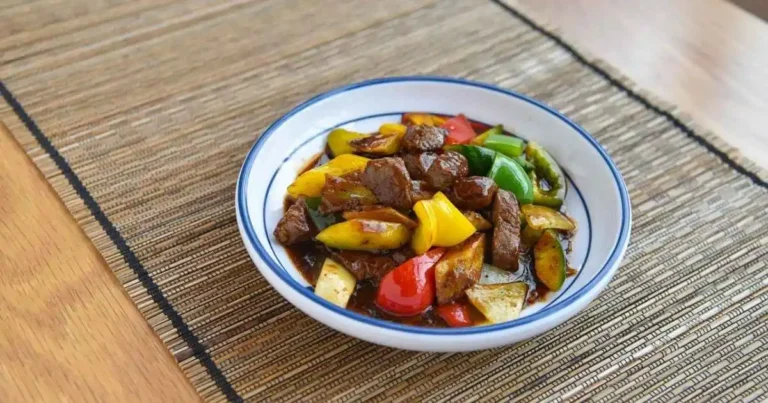
Return the beef to the wok, add the minced garlic, and stir-fry for another minute. Season with salt and pepper to taste. Your pepper steak with onion is now ready to be served.
Plating and Serving Suggestions
Serve your pepper steak with onion over a bed of steamed rice. You can also add some steamed vegetables on the side for a balanced meal. Garnish with green onions or sesame seeds for added flavor and visual appeal.
| Component | Cooking Method | Time |
|---|---|---|
| Beef | Stir-fry | 3-5 minutes |
| Onions and Bell Peppers | Stir-fry | 5 minutes |
| Garlic | Stir-fry | 1 minute |
Chinese Pepper Steak Variations and Authentic Techniques
As you explore the diverse culinary landscape of China, you’ll discover that pepper steak has many regional variations. This beloved dish has been adapted and modified to suit local tastes and ingredient availability, resulting in a rich tapestry of flavors and cooking techniques.
Regional Chinese Variations
Chinese pepper steak is not a monolithic dish; it varies significantly across different regions. In the Sichuan province, for example, pepper steak is known for its bold flavors and spicy kick, thanks to the liberal use of Sichuan peppercorns and chili peppers. In contrast, Cantonese-style pepper steak tends to be milder, with a focus on fresh ingredients and subtle seasoning.
Other regions, like Hunan, bring their own unique twist to pepper steak, often incorporating smoked or cured ingredients to add depth to the dish. These regional variations not only reflect local preferences but also showcase the versatility and adaptability of pepper steak.
Key Differences in Chinese vs. American Versions
When comparing Chinese and American versions of pepper steak, several key differences emerge. Americanized versions often feature a sweeter sauce and may include additional ingredients like bell peppers and onions. In contrast, authentic Chinese pepper steak tends to be more savory, with a focus on the quality of the beef and the balance of seasonings.
The cooking techniques also differ, with Chinese recipes often employing quick stir-frying over high heat to achieve a tender-crisp texture. Understanding these differences can help you appreciate the nuances of each version and guide your cooking choices.
Special Ingredients in Authentic Chinese Pepper Steak
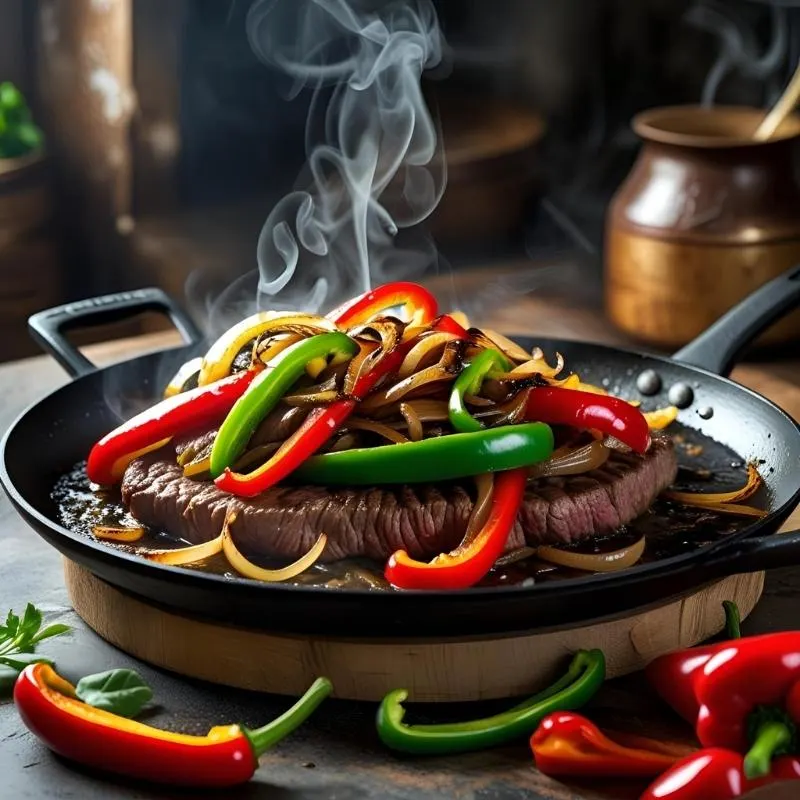
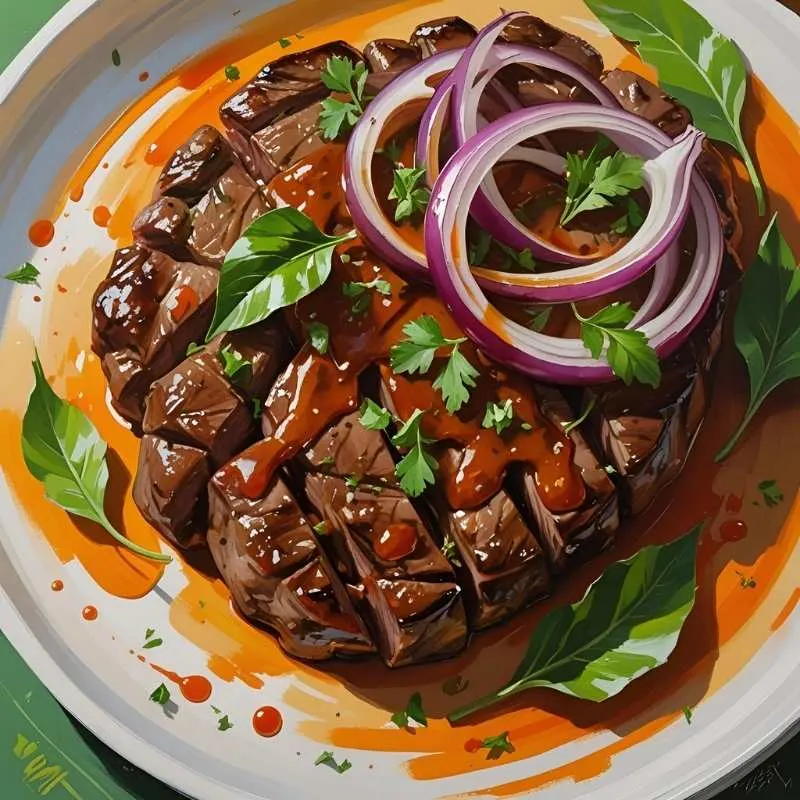
Authentic Chinese pepper steak relies on a few special ingredients to achieve its characteristic flavor. Soy sauce, oyster sauce (or a vegetarian alternative), and Sichuan peppercorns are commonly used to add depth and complexity to the dish. Fresh ginger and garlic are also essential aromatics in many Chinese pepper steak recipes.
Using these authentic ingredients can elevate your pepper steak dishes, providing a more nuanced and satisfying flavor experience. Experimenting with different combinations of these ingredients can also help you develop your own unique take on this classic dish.
Slow Cooker and Crock Pot Pepper Steak Methods
Using a slow cooker or crock pot is a great way to enjoy tender pepper steak without constant supervision. This method is perfect for busy individuals who want to come home to a ready-to-eat meal. The slow cooking process tenderizes the beef and blends the flavors of the peppers and onions, creating a delicious and satisfying dish.
Adapting the Recipe for Slow Cooking
To adapt your pepper steak recipe for slow cooking, start by browning the beef and cooking the vegetables in a pan before transferring them to the slow cooker. This step enhances the flavor and texture of the dish. Then, add your seasonings and sauces, and let the slow cooker do the rest. Typically, cooking on low for 6-8 hours or on high for 3-4 hours yields the best results.
Benefits of the Slow Cooker Method
The slow cooker method offers several benefits, including convenience, tender results, and ease of serving. It’s ideal for meal prep or feeding a crowd. Additionally, slow cookers allow for the flavors to meld together over time, resulting in a rich and savory sauce.
Troubleshooting Common Slow Cooker Issues
While slow cookers are generally easy to use, some common issues can arise. Two of the most frequent problems are mushy vegetables and incorrect liquid levels.
Preventing Mushy Vegetables
To prevent your vegetables from becoming mushy, add them towards the end of the cooking time. For example, if you’re cooking on low for 6 hours, add the vegetables in the last 2 hours. This ensures they retain some crunch and texture.
Adjusting Liquid Levels
If you find that your pepper steak is too dry or too saucy, adjust the liquid levels accordingly. You can reduce the amount of sauce or broth if it’s too liquidy, or add a bit more if it’s too dry. Keep in mind that the slow cooker will continue to cook the ingredients, so it’s better to err on the side of slightly more liquid.
Perfect Pairings: Serving Pepper Steak with Rice and Other Sides
When it comes to serving pepper steak, the right accompaniments can elevate the dish to a whole new level. The key to a well-rounded meal is balancing the bold flavors of the pepper steak with complementary sides.
Rice Preparation Tips for Pepper Steak
Rice is a staple accompaniment to pepper steak, and preparing it correctly can make all the difference. You have several options when it comes to choosing the type of rice to serve.
White Rice vs. Brown Rice
White rice is a classic choice because of its neutral flavor and soft texture, which pairs well with the savory flavors of pepper steak. On the other hand, brown rice offers a nuttier flavor and chewier texture, making it a healthier alternative that still complements the dish nicely.
Flavored Rice Options
If you want to add an extra layer of flavor, consider preparing flavored rice. Options like garlic rice, ginger rice, or even coconut rice can enhance the overall dining experience. These variations can be made by sautéing the flavor ingredients with the rice during cooking.
Alternative Side Dishes to Consider
While rice is a traditional pairing, you can also consider other side dishes to add variety to your meal. Steamed vegetables, such as broccoli or green beans, provide a crunchy contrast to the tender beef. Alternatively, stir-fried noodles or roasted vegetables can add a delightful twist.
Beverage Pairings for a Complete Meal
To complete your meal, selecting the right beverage is essential. For pepper steak, a glass of iced tea or a refreshing lemonade can cleanse your palate between bites. If you prefer something more adult, a dry red wine like Merlot or Cabernet Sauvignon pairs well with the bold flavors of the dish.
Nutritional Profile and Dietary Adaptations
Understanding the nutritional profile of pepper steak with onion is crucial for making informed decisions about your diet. This dish, known for its rich flavors and textures, can be a healthy addition to your meal plan with a few adjustments.
Calorie and Macronutrient Breakdown
A typical serving of pepper steak with onion contains approximately 350-400 calories, with a balance of protein, carbohydrates, and fats. The exact nutritional content can vary based on the cut of beef, the amount of oil used, and the quantity of vegetables.
| Nutrient | Amount per serving |
|---|---|
| Calories | 375 |
| Protein | 35g |
| Fat | 20g |
| Carbohydrates | 15g |
Making Pepper Steak Healthier
To make pepper steak healthier, consider using leaner cuts of beef, reducing the amount of oil used in cooking, and increasing the proportion of vegetables. You can also add other vegetables like broccoli or carrots to enhance the nutritional value.
Accommodating Dietary Restrictions
Pepper steak can be adapted to suit various dietary needs. For gluten-free diets, ensure that the soy sauce or any store-bought seasonings are gluten-free. For low-carb or keto diets, reduce or eliminate the amount of rice or noodles served with the dish.
Gluten-Free Adaptations
Use gluten-free soy sauce or tamari to make the dish accessible to those with gluten intolerance or sensitivity.
Low-Carb and Keto Options
Serve pepper steak with cauliflower rice or reduce the amount of onions and bell peppers to lower the carb content, making it suitable for keto diets.
“The key to a healthy diet is not just about cutting out certain foods, but also about making informed choices that nourish your body.”
— Nutrition Expert
Conclusion: Mastering the Timeless Appeal of Pepper Steak
You now understand the essence of pepper steak with onion, a classic dish that has stood the test of time. Its timeless appeal lies in the perfect balance of flavors and textures, making it a staple in many cuisines. Mastering pepper steak involves understanding the importance of selecting the right ingredients, employing traditional preparation methods, and experimenting with variations.
As you’ve learned, the key to an authentic pepper steak lies in the quality of the beef, peppers, and onions, as well as the seasonings and sauces used. By following the step-by-step recipe and tips provided, you can create a dish that is both flavorful and visually appealing. The versatility of pepper steak allows you to adapt it to your taste preferences and dietary needs.
Now that you’ve mastered the basics, feel free to explore different variations, such as regional Chinese techniques or slow cooker methods, to add your own twist to this classic dish. With practice and experimentation, you’ll be able to appreciate the rich culinary heritage behind pepper steak and enjoy it with your loved ones.
FAQ
What is pepper steak, and how is it typically prepared?
Pepper steak is a classic dish made with sliced beef, peppers, and onions, typically stir-fried in a savory sauce. You can prepare it using various techniques, including stir-frying, slow cooking, or braising, to achieve tender beef and flavorful vegetables.
Can I make pepper steak in a slow cooker or crock pot?
Yes, you can adapt the pepper steak recipe for slow cooking in a crock pot or slow cooker. Simply brown the beef and cook the vegetables briefly before transferring everything to the slow cooker, where it will simmer to perfection.
What are the best cuts of beef for pepper steak?
For pepper steak, you can use various cuts of beef, such as flank steak, sirloin, or ribeye. Choose a cut that is tender and has good marbling, as this will result in a more flavorful and tender final dish.
How do I prevent the vegetables from becoming mushy in pepper steak?
To prevent mushy vegetables, you can stir-fry them briefly over high heat to preserve their texture. Alternatively, you can add them to the slow cooker towards the end of the cooking time, so they retain some crunch.
Can I serve pepper steak with alternatives to rice?
Yes, you can serve pepper steak with a variety of side dishes beyond rice, such as noodles, roasted vegetables, or a simple salad. These options can add variety to your meal and cater to different dietary preferences.
How can I make pepper steak healthier?
To make pepper steak healthier, you can use leaner cuts of beef, reduce the amount of oil used in cooking, and add more vegetables. You can also serve it with brown rice or cauliflower rice for a lower-carb option.
Is pepper steak gluten-free?
Pepper steak can be made gluten-free by using gluten-free soy sauce or tamari and being mindful of the ingredients used in the sauce. Always check the labels to ensure that the ingredients you are using are gluten-free.
Can I make Chinese pepper steak variations?
Yes, you can explore regional Chinese variations of pepper steak, which may include different ingredients and cooking techniques. You can also experiment with various seasonings and sauces to create your own unique version.